Mia Khalifa Song: The Viral “Hit or Miss” Story Explained
Mia Khalifa Song: The Viral “Hit or Miss” Story Explained

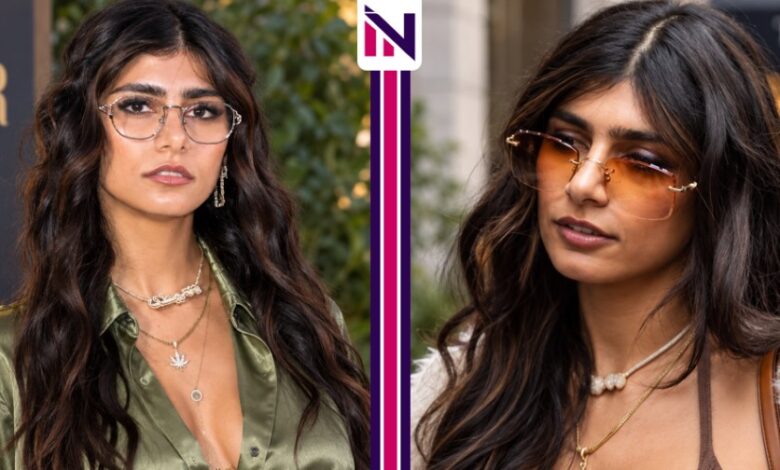
The Mia Khalifa song is the viral 2018 diss track by iLOVEFRiDAY that became closely associated with the phrase “hit or miss.” Mia Khalifa herself is a Lebanese-American media personality and former adult-film performer who later built a career around social media, sports commentary, digital content, and fashion.
Khalifa did not record or perform the song, nor was it created with TikTok in mind. It began as a response to a fake social-media post and later became an unexpected internet phenomenon. Its popularity grew dramatically after users began pairing the track with short-form videos.
Mia Khalifa Biography at a Glance
| Detail | Information |
|---|---|
| Full Name | Sarah Joe Chamoun |
| Public Name | Mia Khalifa |
| Date of Birth | February 10, 1993 |
| Birthplace | Beirut, Lebanon |
| Nationality | Lebanese-American |
| Education | University of Texas at El Paso |
| Degree | Bachelor of Arts in History |
| Known For | Media personality, social media, sports commentary |
| Viral Song | “Mia Khalifa” by iLOVEFRiDAY |
| Song Release | February 12, 2018 |
| Famous Phrase | “Hit or miss” |
The phrase Mia Khalifa song usually refers to “Mia Khalifa,” a diss track released by the music duo iLOVEFRiDAY in 2018. The track used Khalifa’s name as its central subject and later became one of the recognisable sounds associated with early TikTok culture.
Mia Khalifa did not create or perform the song. She became connected to it because the track was written in response to a social-media controversy involving her name. What began as a relatively small online dispute grew much larger, turning the diss track into a widely recognised internet sound.
Early Life and Background
Mia Khalifa was born Sarah Joe Chamoun in Beirut, Lebanon, on 10 February 1993. Her family moved to the United States in 2001, and she was raised in Montgomery County, Maryland.
She later attended the University of Texas at El Paso, where she earned a bachelor’s degree in history.
Before becoming internationally recognised, Khalifa worked in several jobs while studying. Publicly documented accounts describe her experience as a bartender, model, and briefcase model on a Spanish-language game show.
Her early life therefore included considerably more than the internet identity that later made her famous.
Mia Khalifa’s Career
Khalifa entered the adult entertainment industry in 2014 and quickly became internationally recognisable. Her involvement lasted only a few months, but a controversial scene involving a hijab generated significant attention and backlash.
The controversy also contributed to threats against her and intensified media coverage surrounding her name.
After leaving the industry, Khalifa developed a broader digital-media career. Her activities have included social-media content, webcam work, online subscriptions, streaming, and sports commentary.
She also became known for discussing professional and college sports through digital entertainment programs. In 2018, she discussed co-hosting the comedy sports program Sportsball and her long-standing interest in sports.
Her career after adult entertainment highlights the difference between internet fame and professional identity. Although search engines continued associating her with her earlier work, she increasingly used digital platforms to establish a different public persona.
Khalifa has also pursued fashion and business projects, including jewellery. Her public presence has remained closely connected to social media, where she has developed a large audience independent of the career that initially brought her worldwide attention.
The Mia Khalifa song became an unusual part of that story because it turned her name into a recognisable pop-culture reference without her participating in creating the track.
How Mia Khalifa Became Famous
Khalifa’s international recognition initially came from her brief adult-film career and the controversy surrounding her appearance in a hijab.
Her popularity expanded rapidly online, while the cultural reaction to her work generated both criticism and threats.
The later viral success of iLOVEFRiDAY’s track added another layer to her public recognition. In 2018, the song’s short “hit or miss” section spread through TikTok videos, introducing the name to a younger social-media audience that may have encountered the track primarily as a meme rather than as a diss song.
The Story Behind the Mia Khalifa Song
The song has an unusual origin. iLOVEFRiDAY created the track after reacting to a fake social-media post that was attributed to Mia Khalifa.
Khalifa did not actually write the post, but the misunderstanding inspired the duo to create a diss track using her name.
The song was released in February 2018 and later gained much greater attention through social media users. Its popularity eventually moved beyond the original dispute that inspired it.
Why Did “Hit or Miss” Become Viral?
The phrase “hit or miss” became the track’s most recognisable part.
After users began incorporating the song into TikTok videos, the short section circulated widely. Lip-sync videos and creator posts helped push the sound into mainstream internet culture.
This gave the song a second life. Instead of being remembered only as a diss track, it became associated with the early era of TikTok memes and short-form video culture.
Did Mia Khalifa Sing the Song?
No. Mia Khalifa did not sing or record the viral song.
iLOVEFRiDAY created and performed the track. Khalifa became the subject of the song because of the online dispute that inspired its lyrics and title.
This distinction matters because the song’s popularity sometimes creates confusion about whether Khalifa was involved in its production.
Who Created the Mia Khalifa Song?
iLOVEFRiDAY created the song; the music duo is associated with SmokeHijabi and Xeno Carr.
According to the article, the track was self-released on 12 February 2018, before a later commercial release. Its accompanying music video was published in March 2018.
Why Did iLOVEFRiDAY Make the Song?
iLOVEFRiDAY made the track after believing a fake post attributed to Mia Khalifa criticised one of the duo’s previous videos.
Khalifa did not write the post. However, the misunderstanding attracted attention and led fans to request a diss track, eventually resulting in the creation of “Mia Khalifa.”
Mia Khalifa’s Personal Life
Mia Khalifa’s personal life has frequently attracted public attention because of her large online following.
She has discussed her experiences with fame, relationships, social media, and the lasting effects of her early career in public interviews.
However, online claims about her private life can vary considerably. Publicly confirmed information is therefore more useful than viral posts or celebrity gossip when discussing her biography.
Mia Khalifa Marriage and Relationships
Khalifa married her high-school boyfriend in 2011. The couple separated in 2014 and divorced in 2016.
She later married Swedish chef Robert Sandberg in 2019. They separated in 2020.
From 2021 to 2022, she was publicly linked to Puerto Rican rapper and singer Jhayco.
Because relationship information can spread quickly on social media, treat unconfirmed claims carefully.
Does Mia Khalifa Have Children?
Publicly available biographical information in the source does not establish that Mia Khalifa has children.
Her family background is better documented than claims about her current household. She was born in Beirut and moved to the United States with her family as a child.
Reports have also documented conflict between Khalifa and her family after she entered adult entertainment. Because family relationships are private and online reports can become distorted, publicly documented statements are preferable to speculation.
Major Events in Mia Khalifa’s Life
Several events have shaped Khalifa’s public identity:
- Her childhood move from Lebanon to the United States
- Her short adult-film career
- The controversy surrounding her hijab scene
- Her transition into digital media
- Her involvement in sports commentary
- The unexpected viral success of the Mia Khalifa song
- The song’s later association with TikTok’s “hit or miss” trend
The song’s release and viral spread became particularly significant because it connected Khalifa’s name with a piece of internet culture she did not create or perform.
Mia Khalifa’s Public Image and Legacy
Khalifa’s public image has evolved from adult-entertainment celebrity to a broader internet personality.
Her career demonstrates how quickly online fame can become difficult to separate from a person’s later professional identity. Even after moving into different areas of digital media, her earlier public image continued to influence how people searched for and discussed her online.
The Mia Khalifa song adds another example of this phenomenon. A track created from an online misunderstanding eventually became more famous than the dispute that inspired it.
The phrase “hit or miss” remains strongly associated with the early TikTok meme era.
Why Do People Search for “Mia Khalifa Song”?
People search for the Mia Khalifa song for several reasons.
Some remember the “hit or miss” TikTok trend and want to identify the original track. Others want to know who created it, why Mia Khalifa’s name was used, and whether she actually sang the song.
The answer is straightforward: iLOVEFRiDAY created and performed the track, while Mia Khalifa was its subject.
The song originated from a dispute over a fake social-media post, not a collaboration with Khalifa.
Privacy and Accuracy in Mia Khalifa’s Biography
Mia Khalifa’s online visibility has generated a large amount of unreliable information.
Claims about relationships, earnings, family matters, and private events are often repeated without strong sourcing. A responsible biography should therefore distinguish documented facts from social-media speculation.
The same principle applies to the Mia Khalifa song. It should not be described as Khalifa’s own release or performance. The source identifies iLOVEFRiDAY as the creators and performers.
Conclusion
The Mia Khalifa song has a more complicated history than its catchy “hit or miss” reputation suggests.
It began as a diss track inspired by a fake social-media post and later became a viral TikTok sound. Mia Khalifa did not perform the song, but her name became permanently connected to it.
The story remains a useful example of how internet culture can transform a small online dispute into lasting global recognition.
For more celebrity news, profiles, facts, and latest updates, visit Infinity News
(FAQs)
What is the Mia Khalifa song?
The Mia Khalifa song is a 2018 diss track by iLOVEFRiDAY. The duo wrote it after reacting to a fake social-media post attributed to Khalifa. The track later became widely known through TikTok, especially because of its “hit or miss” section. Khalifa did not perform the song.
Who made the Mia Khalifa song?
iLOVEFRiDAY created the song; the music duo is associated with SmokeHijabi and Xeno Carr. They self-released it on 12 February 2018, before a later commercial release.
Why did iLOVEFRiDAY make the Mia Khalifa song?
iLOVEFRiDAY created the track after believing a fake post attributed to Mia Khalifa criticised one of the duo’s previous videos. Khalifa did not actually write the post, but the misunderstanding inspired the diss track.
Did Mia Khalifa sing the viral song?
No. Mia Khalifa did not sing or record the viral track. ILOVEFRiDAY performed it. Khalifa became the subject of the song because of the online dispute that inspired it.
Why did the Mia Khalifa song become famous on TikTok?
The song became famous after a short section featuring the “hit or miss” phrase was repeatedly used in TikTok videos. Lip-sync videos and creator posts helped push the sound into wider circulation.
Is the Mia Khalifa song still popular?
The track remains recognisable as an example of early TikTok meme culture. Its association with “hit or miss” has kept it searchable years after its original release. Current interest often comes from people trying to identify the sound behind older viral videos rather than from the original controversy itself.